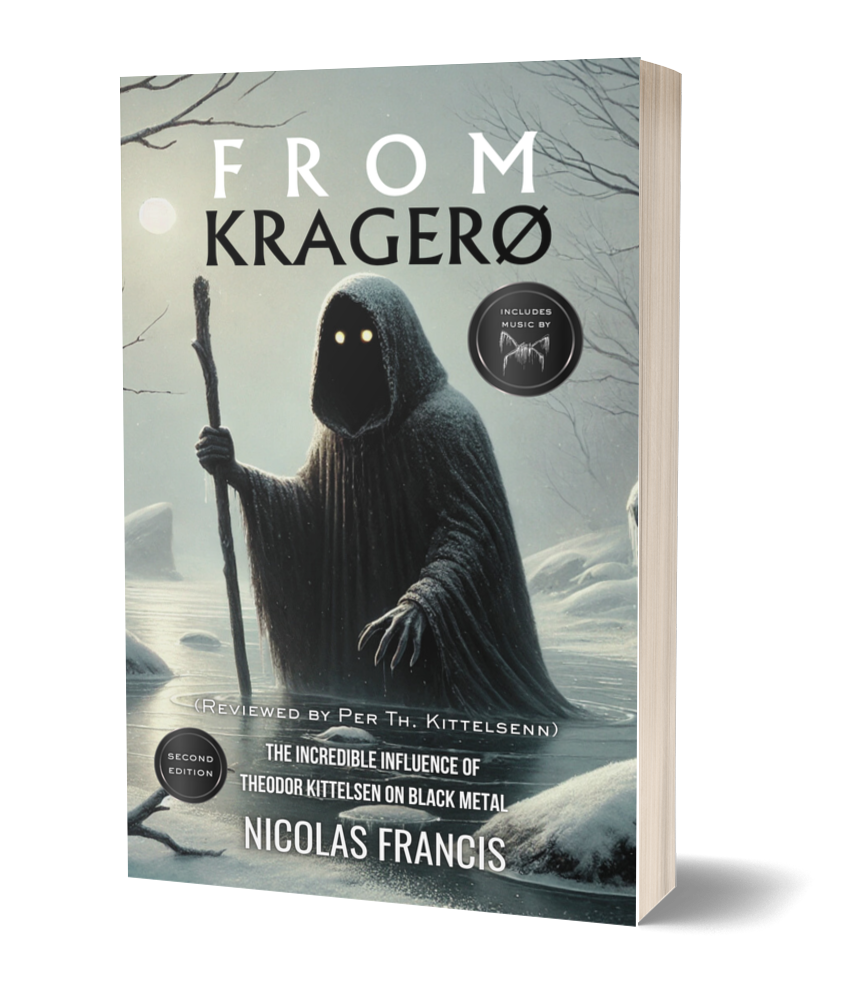
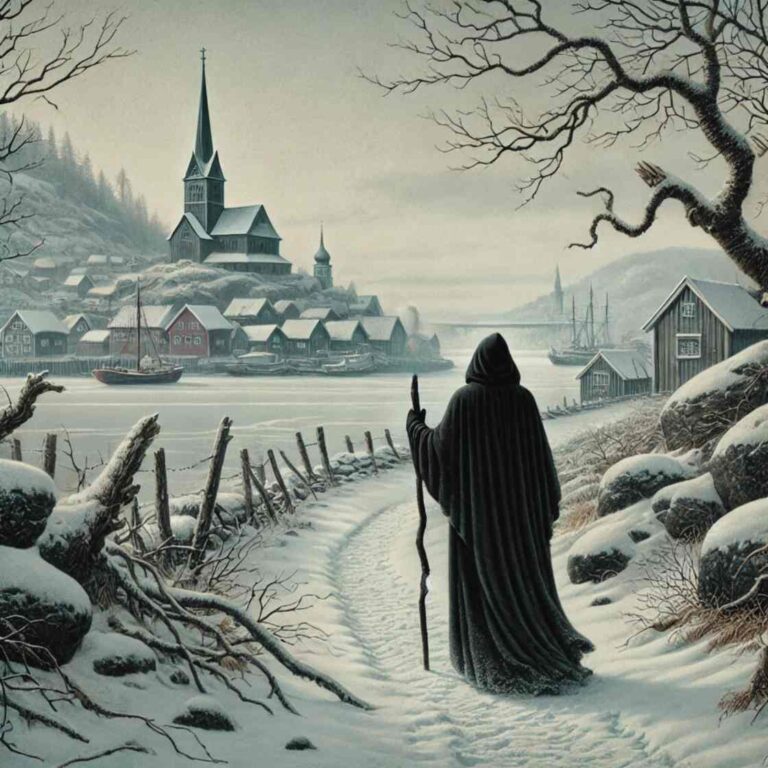
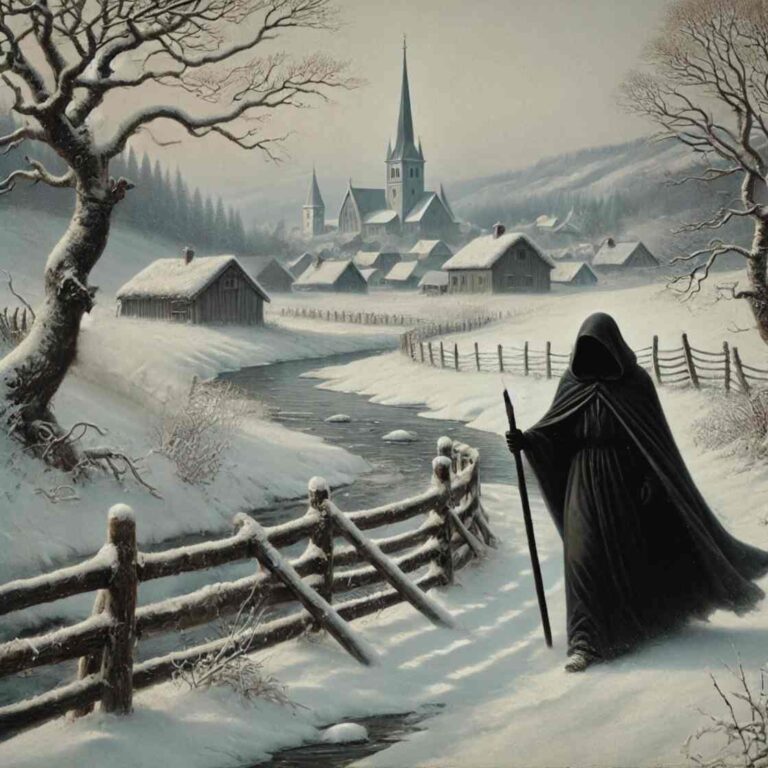
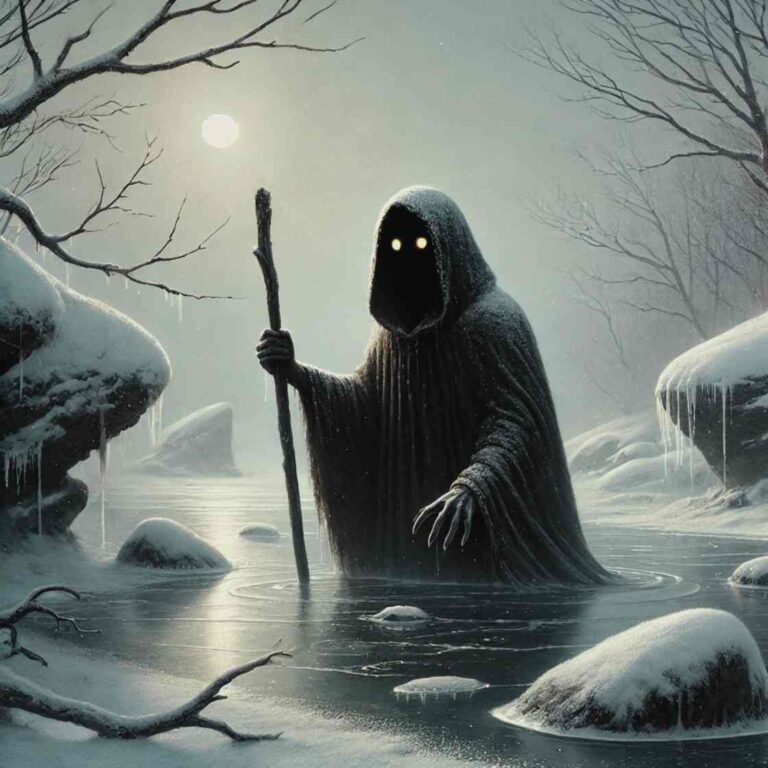
From Kragerø is an essay by Nicolás Francis that explores the haunting connection between the art of Theodor Kittelsen and the visual imagination of Norwegian black metal.
Born from fascination, research, and atmosphere, this second edition follows Kittelsen from his hometown of Kragerø to the wider cultural afterlife of his work: folklore, forests, the Black Death, silence, myth, and the imagery that would later resonate through bands such as Burzum, Satyricon, Carpathian Forest, Mork, and others.
Rather than approaching Kittelsen as a distant academic subject, this book reads him as a living presence: an artist whose landscapes, creatures, and sense of dread still breathe through music, contemporary culture, and the darker corners of the imagination.
Across six chapters, From Kragerø moves through Kittelsen’s life, artistic development, symbolic universe, and lasting impact on black metal aesthetics around the world. At the end of each chapter, a QR code leads to an interactive YouTube video designed as a transitional piece, extending the atmosphere of the book beyond the page. This expanded edition also includes exclusive material that deepens the project and broadens its scope.
Set in Kragerø, Kittelsen’s hometown, this chapter explores the coastal landscape, local mysticism, and early atmosphere that shaped his imagination.
Here, Kittelsen’s artistic development takes center stage, alongside his growing immersion in Norwegian folklore and the visual world of trolls, forests, and supernatural presences.
Through Svartedauen (The Black Death), the book examines how plague, fear, and collective memory were transformed into some of Kittelsen’s most haunting imagery.
At the core of this chapter is the direct connection between Kittelsen and Burzum, tracing the visual, atmospheric, and symbolic ties between his work and black metal.
Expanding beyond Burzum and beyond Norway, this section shows how Kittelsen’s influence echoed through black metal scenes, bands, and visual culture around the world.
The final chapter turns to Kittelsen’s living legacy in contemporary Norway, and to the ways his work continues to be preserved, rediscovered, and reinterpreted today.